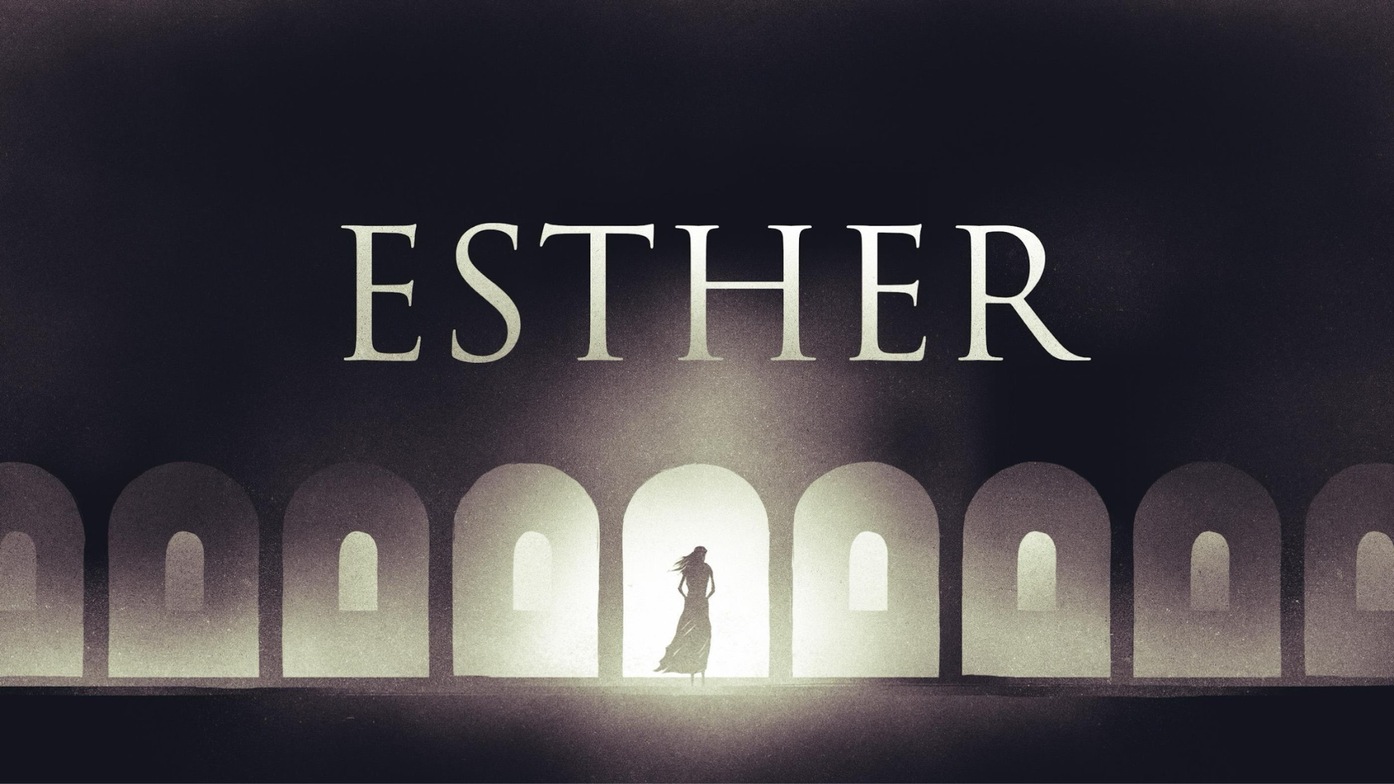
***Sermon slides at the bottom of the page***
May 24 - Esther 8 - The God of Reversal
Reflection Questions
- Where in your life have you struggled to see God working “behind the scenes” like in the book of Esther?
- The sermon described God as “the God of reversal.” Can you think of a time when God brought good out of something painful or difficult in your life?
- Why do you think the book of Esther never directly mentions God’s name? What does that teach us about faith during seasons of silence or uncertainty?
- Jesus repeatedly taught that “the last will be first” and “the humble will be exalted.” Why is this so different from the values of our culture?
- The cross looked like defeat before it became victory. How does this encourage you when circumstances seem hopeless?
- Which phrase stood out to you most:
- “But God…”
- “You meant evil against me, but God meant it for good.”
- “Even when we don’t see it, He’s working.”
- Why did that phrase resonate with you?
- What practical steps can help you “seek where God is visible” during seasons when He feels hidden?
- The gospel was described as the ultimate reversal: from death to life, enemies to family, darkness to light. How has Jesus personally changed your story?
- Purim was created as a celebration of God’s faithfulness. What are some ways we can intentionally remember and celebrate God’s faithfulness in our own lives?
Supporting Scriptures Referenced in the Sermon
God’s Reversal & Providence
- Genesis 50:20
(“You meant evil against me, but God meant it for good…”) - Matthew 20:16
(“The last will be first, and the first last.”) - Luke 14:11
(“Everyone who exalts himself will be humbled…”) - Matthew 16:25
(“Whoever loses their life for me will find it.”)
Humanity’s Need for Salvation
- Romans 3:23
(“All have sinned…”) - Romans 6:23
(“The wages of sin is death…”)
Salvation by Grace / “But God”
- Ephesians 2:1–9
- Colossians 1:13–22
Additional Stories Mentioned
- Adam and Eve — Genesis 3
- Abraham and Sarah — Genesis 17–21
- Saul pursuing David — Samuel 18–24
- Daniel in the lion’s den — Daniel 6
May 17 - Esther 7 - Justice, Mercy & Response
Questions for Reflection
- Have you ever wrestled with the questions about justice? Especially when it comes to what seems to be inconsistency in who receives mercy and who receives judgement? How do you work through that?
- Why is it often easier to recognize pride, hardness, or resistance in others than in ourselves?
- When God confronts something in your life, what is your normal response?
- Do you soften, justify, resist, ignore, or repent?
- The sermon described life as moving in a “trajectory” formed by repeated responses over time.
- What trajectory is currently being formed in you?
- Have you ever confused God’s patience with His absence or approval?
- What might God currently be trying to expose, soften, or redirect in your life?
- Why do you think Scripture places such importance on response when confronted by God?
- Consider the contrast between Pharaoh, David, Nineveh, Paul, Ananias & Sapphira, and Haman.
- In what ways can the pursuit of justice slowly drift into anger, retaliation, pride, or vengeance?
- What does the cross reveal about both the seriousness of evil and the depth of God’s mercy?
- The sermon ended with the warning: “The danger is not simply failure. The danger is becoming settled.”
- What do you think that means personally and spiritually?
Supporting Scripture References
Main Teaching Text — Esther 7:1–10
- Psalm 7:14–16
- Romans 2:4
- 2 Peter 3:9
- Saul/Paul’s conversion — Acts 9
- Ananias and Sapphira — Acts 5
- Galatians 6:7–8
- Romans 5:8
- 2 Corinthians 5:21
- Romans 12:19
- James 1:19–20
May 10 - Esther 5 & 6
Reflection Questions
Wisdom, Speech, and Discernment
- Esther delays revealing her request twice.
- What does this teach us about timing and discernment in difficult conversation
- Read Proverbs 15:28 (“The heart of the righteous weighs its answers…”)
- How can Christians grow in thoughtful, Spirit-led speech?
- Have you ever made a situation worse by speaking too quickly or acting impulsively?
- What did you learn from that experience?
- In what situations do you most need wisdom and restraint right now?
Pride vs Humility
- Haman is obsessed with recognition, status, and power. What are some ways people seek validation and significance?
- Why is pride so spiritually dangerous?
- Haman’s joy disappears because of one man refusing to honor him.
- What does this reveal about the emptiness of worldly success?
- Are there areas in your life where you are tempted to find your identity in achievement, recognition, or influence rather than Christ?
Seeing God in the Ordinary
- One major theme in Esther is God working through “ordinary” events.
- Why do we often overlook God’s hand in everyday life?
- Can you share a “coincidence” or ordinary event that later seemed clearly directed by God?
Trusting God’s Timing
- Mordecai was overlooked for years before finally being honored.
- Why is waiting on God’s timing so difficult?
- Have you experienced a season where God seemed slow or silent?
- Looking back, can you now see His purpose more clearly?
- The sermon points out that if Mordecai had been honored earlier, he may have died later.
- How does that shape your understanding of unanswered prayers or delayed blessings?
Closing Reflection
- Looking back over your life, where can you now see God “establishing your steps” even when you didn’t recognize it at the time?
- What part of this sermon encouraged or challenged you the most personally?
- How does Esther strengthen your confidence that God is still at work even when evil seems to be winning?
May 3 - Esther 4
Reflection Questions
God’s Sovereignty & Human Responsibility
- Mordecai is confident God will deliver His people—with or without Esther. What does this teach us about God’s sovereignty?
- At the same time, Esther still has to choose. How do we hold together God’s control and our responsibility to act?
- What are the dangers of:
- Overemphasizing God’s sovereignty (becoming passive)?
- Overemphasizing human responsibility (becoming anxious or controlling)?
- How does this passage deepen your understanding of how God accomplishes His purposes through people?
Fear, Risk, and Faith
- Esther hesitates because of real danger. What fears tend to hold you back from obeying God
- What is the difference between faithful obedience and reckless risk-taking?
- Can you think of a time when you sensed God leading you, but you didn’t have certainty? What did you do?
Fasting, Trusting & Discernment
- Esther receives no direct word from God—only a suggestion: “Who knows…?” How does this compare to how we often expect God to guide us?
- The sermon describes discernment as:
- Looking at your past
- Evaluating present circumstances
- Considering future calling
- Entrusting it to God
- Which of these do you find easiest? Hardest?
- How can we practically grow in recognizing the “whisper” of the Holy Spirit?
- What role should Scripture, prayer, and community play in making major decisions?
- How is fasting an expression of trust rather than a way to control outcomes?
Personal Application: “Such a Time as This”
- Where might God be saying to you right now: “Perhaps you are here for such a time as this”?
- Is there a situation in your life where you sense God prompting you to speak, act, or step forward?
- What would obedience look like in that situation—even if the outcome is uncertain?
- What encourages you most about Esther’s story at this point?
- What challenges or stretches your faith the most?
April 26 - Esther 3: The Hidden Hand of God
Reflection Questions
Seeing God’s hidden work
- Where do you see signs of God’s presence or providence in situations that at first appeared hopeless or confusing?
- How does the story of Esther encourage you to look for God in times when He feels absent?
Responding to disappointment
- When have you felt like Mordecai—overlooked or treated unfairly despite doing what’s right?
- How did (or could) you bring those feelings honestly before God instead of suppressing them?
Trusting vs. Entrusting
- What’s the difference between “trusting God” as forced optimism and entrusting honest emotions to Him?
- What emotions are you carrying right now that God might be inviting you to place in His hands?
Honest prayer and lament
- What holds you back from being fully honest with God in prayer?
- How does biblical lament (like David’s in the Psalms) reshape your understanding of faith and relationship with God?
Living faith during silence
- How can remembering past faithfulness (like the Jews recalling Passover) strengthen your current trust in God when His presence seems hidden?
- What “there He is!” moments can you recall in your own life that renewed your faith
Community and compassion
- How might being honest about your pain and doubts with others in your faith community help you—and them—experience God’s nearness?
Supporting Scriptures
Esther
- Esther 2:21–23 — Mordecai exposes the assassination plot.
- Esther 3:1–6 — Haman’s promotion and Mordecai’s refusal to bow.
- Esther 3:7, 13, 15 — Haman’s lot-casting and decree for destruction.
- Esther 4:1–3 — Mourning and lament among the Jews.
Old Testament connections
- Genesis 14 — First mention of the Amalekites (roots of conflict).
- 1 Samuel 15 — Saul and King Agag, connecting Mordecai and Haman’s ancestral tension.
- Proverbs 16:33 — “The lot is cast into the lap, but its every decision is from the Lord.”
- Psalms of lament (examples quoted or referenced):
- Psalm 13
- Psalm 22
- Psalm 42
- Psalm 69 (expressing anguish and waiting for God)
- Psalm 62:8 — “Pour out your heart to Him, for God is our refuge.”
New Testament encouragements
- Philippians 4:6–7 — Bring every request to God with prayer and thanksgiving.
- 1 Peter 5:6–7 — “Cast all your anxieties upon Him, because He cares for you.”
- Matthew 11:28 — “Come to me, all who are weary and burdened, and I will give you rest.”
April 19 - Esther 2: Faithfulness in a Morally Complex World
1. The Illusion of Worldly Power
- Where in your life are you trusting what looks strong or stable to hold things together?
- When uncertainty rises, what do you instinctively try to control or manage?
- Where might you be relying on appearance, structure, or control instead of trusting God?
- When something begins to feel unstable, what does your reaction reveal about what you believe will actually hold?
2. The Danger of Misplaced Trust
- When your sense of control is threatened, how do you typically respond?
- Where do you see fear, image, or control shaping your decisions more than wisdom?
- How might your reactions be affecting others—even in ways you don’t immediately see?
- What patterns in your life reveal that you are trusting something other than God to hold things together?
3. The Hidden Power of God
- Where in your life does God feel hidden, unclear, or inactive right now?
- How do you typically respond when God’s work is not obvious or immediate?
- What makes it difficult for you to trust that God is at work beneath the surface?
- Are you waiting for clarity before trusting—or learning to trust without seeing?
4. Reorienting Our Trust
- What are you currently trusting to hold your life together?
- What would it look like to trust God in that area instead?
- Where is God inviting you to release control and trust Him more deeply?
- What is one step you can take this week that reflects trust in God rather than trust in what appears strong?
-
Location
Contact
Office Hours

© 2026 Cochrane Alliance Church. All Rights Reserved.
|
Login
powered by
Website Developed by Tithely